
[et_pb_section bb_built=”1″ admin_label=”Secção” _builder_version=”3.19.18″ inner_width=”auto” inner_max_width=”none”][et_pb_row admin_label=”Caixa de Conteúdo” _builder_version=”3.19.18″ width=”90%” max_width=”1080px”][et_pb_column type=”4_4″][et_pb_text admin_label=”Texto” _builder_version=”3.23.3″ z_index_tablet=”500″ text_text_shadow_horizontal_length=”text_text_shadow_style,%91object Object%93″ text_text_shadow_horizontal_length_tablet=”0px” text_text_shadow_vertical_length=”text_text_shadow_style,%91object Object%93″ text_text_shadow_vertical_length_tablet=”0px” text_text_shadow_blur_strength=”text_text_shadow_style,%91object Object%93″ text_text_shadow_blur_strength_tablet=”1px” link_text_shadow_horizontal_length=”link_text_shadow_style,%91object Object%93″ link_text_shadow_horizontal_length_tablet=”0px” link_text_shadow_vertical_length=”link_text_shadow_style,%91object Object%93″ link_text_shadow_vertical_length_tablet=”0px” link_text_shadow_blur_strength=”link_text_shadow_style,%91object Object%93″ link_text_shadow_blur_strength_tablet=”1px” ul_text_shadow_horizontal_length=”ul_text_shadow_style,%91object Object%93″ ul_text_shadow_horizontal_length_tablet=”0px” ul_text_shadow_vertical_length=”ul_text_shadow_style,%91object Object%93″ ul_text_shadow_vertical_length_tablet=”0px” ul_text_shadow_blur_strength=”ul_text_shadow_style,%91object Object%93″ ul_text_shadow_blur_strength_tablet=”1px” ol_text_shadow_horizontal_length=”ol_text_shadow_style,%91object Object%93″ ol_text_shadow_horizontal_length_tablet=”0px” ol_text_shadow_vertical_length=”ol_text_shadow_style,%91object Object%93″ ol_text_shadow_vertical_length_tablet=”0px” ol_text_shadow_blur_strength=”ol_text_shadow_style,%91object Object%93″ ol_text_shadow_blur_strength_tablet=”1px” quote_text_shadow_horizontal_length=”quote_text_shadow_style,%91object Object%93″ quote_text_shadow_horizontal_length_tablet=”0px” quote_text_shadow_vertical_length=”quote_text_shadow_style,%91object Object%93″ quote_text_shadow_vertical_length_tablet=”0px” quote_text_shadow_blur_strength=”quote_text_shadow_style,%91object Object%93″ quote_text_shadow_blur_strength_tablet=”1px” header_text_shadow_horizontal_length=”header_text_shadow_style,%91object Object%93″ header_text_shadow_horizontal_length_tablet=”0px” header_text_shadow_vertical_length=”header_text_shadow_style,%91object Object%93″ header_text_shadow_vertical_length_tablet=”0px” header_text_shadow_blur_strength=”header_text_shadow_style,%91object Object%93″ header_text_shadow_blur_strength_tablet=”1px” header_2_text_shadow_horizontal_length=”header_2_text_shadow_style,%91object Object%93″ header_2_text_shadow_horizontal_length_tablet=”0px” header_2_text_shadow_vertical_length=”header_2_text_shadow_style,%91object Object%93″ header_2_text_shadow_vertical_length_tablet=”0px” header_2_text_shadow_blur_strength=”header_2_text_shadow_style,%91object Object%93″ header_2_text_shadow_blur_strength_tablet=”1px” header_3_text_shadow_horizontal_length=”header_3_text_shadow_style,%91object Object%93″ header_3_text_shadow_horizontal_length_tablet=”0px” header_3_text_shadow_vertical_length=”header_3_text_shadow_style,%91object Object%93″ header_3_text_shadow_vertical_length_tablet=”0px” header_3_text_shadow_blur_strength=”header_3_text_shadow_style,%91object Object%93″ header_3_text_shadow_blur_strength_tablet=”1px” header_4_text_shadow_horizontal_length=”header_4_text_shadow_style,%91object Object%93″ header_4_text_shadow_horizontal_length_tablet=”0px” header_4_text_shadow_vertical_length=”header_4_text_shadow_style,%91object Object%93″ header_4_text_shadow_vertical_length_tablet=”0px” header_4_text_shadow_blur_strength=”header_4_text_shadow_style,%91object Object%93″ header_4_text_shadow_blur_strength_tablet=”1px” header_5_text_shadow_horizontal_length=”header_5_text_shadow_style,%91object Object%93″ header_5_text_shadow_horizontal_length_tablet=”0px” header_5_text_shadow_vertical_length=”header_5_text_shadow_style,%91object Object%93″ header_5_text_shadow_vertical_length_tablet=”0px” header_5_text_shadow_blur_strength=”header_5_text_shadow_style,%91object Object%93″ header_5_text_shadow_blur_strength_tablet=”1px” header_6_text_shadow_horizontal_length=”header_6_text_shadow_style,%91object Object%93″ header_6_text_shadow_horizontal_length_tablet=”0px” header_6_text_shadow_vertical_length=”header_6_text_shadow_style,%91object Object%93″ header_6_text_shadow_vertical_length_tablet=”0px” header_6_text_shadow_blur_strength=”header_6_text_shadow_style,%91object Object%93″ header_6_text_shadow_blur_strength_tablet=”1px” box_shadow_horizontal_tablet=”0px” box_shadow_vertical_tablet=”0px” box_shadow_blur_tablet=”40px” box_shadow_spread_tablet=”0px” custom_margin=”||25px|”]
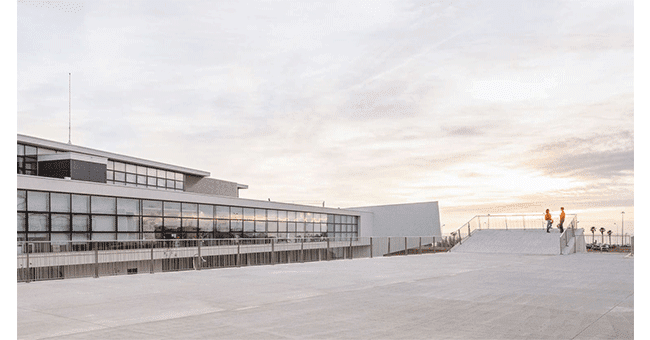
A Universidade Nova de Lisboa (UNL) quer ver um dos seus edifícios alcançar a neutralidade carbónica e, para isso, vai lançar um teste piloto no campus de Carcavelos. O projecto, em parceria com a start-up portuguesa BIOS, vai focar-se no cultivo de plantas. Já no próximo ano, mais de “200 saladas por dia” deverão ser confeccionadas a partir dos frutos do projecto.
Através do cultivo de plantas e do aproveitamento de “fluxos de energia desperdiçados”, o projecto piloto, que resulta de uma parceria entre a start-up portuguesa BIOS e a UNL, marca o primeiro passo para a concretização de um edifício carbonicamente neutro no campus de Carcavelos daquela instituição de ensino superior.
O campus de Carcavelos da UNL vai, assim, ser palco para um projecto que promete reduzir a pegada de gases com efeito de estufa através da implementação de um “sistema de agricultura controlada”, que deverá ter como resultado, já em 2020, a confecção diária de “200 saladas por dia”, de acordo com comunicado da BIOS do passado dia 5 de Dezembro.
Através de um sistema integrado, o cultivo de alimentos vegetais nas instalações de empresas – e, como neste caso, de instituições de ensino – poderá vir a ser uma realidade comum “daqui a dez anos”, acredita Michael Parkes, fundador da start-up.
A empresa portuguesa revelou, ainda, que começou a ser desenvolvida na UNL, em parceria com o director de sustentabilidade da faculdade instalada no campus de Carcavelos, um “roteiro para a promoção do Carbon Zero em todo o campus”.
No futuro, o conceito em desenvolvimento pela BIOS – que conta com o apoio financeiro da Fundação Calouste Gulbenkian, deverá permitir a “existência de edifícios de produção negativa de carbono e a produção de alimentos e biomassa como uma bioproduto de eficiência energética”.
[/et_pb_text][/et_pb_column][/et_pb_row][/et_pb_section]