
[et_pb_section bb_built=”1″ admin_label=”Secção” _builder_version=”3.19.18″ inner_width=”auto” inner_max_width=”none”][et_pb_row admin_label=”Caixa de Conteúdo” _builder_version=”3.19.18″ width=”90%” max_width=”1080px”][et_pb_column type=”4_4″][et_pb_text admin_label=”Texto” _builder_version=”3.23.3″ z_index_tablet=”500″ text_text_shadow_horizontal_length=”text_text_shadow_style,%91object Object%93″ text_text_shadow_horizontal_length_tablet=”0px” text_text_shadow_vertical_length=”text_text_shadow_style,%91object Object%93″ text_text_shadow_vertical_length_tablet=”0px” text_text_shadow_blur_strength=”text_text_shadow_style,%91object Object%93″ text_text_shadow_blur_strength_tablet=”1px” link_text_shadow_horizontal_length=”link_text_shadow_style,%91object Object%93″ link_text_shadow_horizontal_length_tablet=”0px” link_text_shadow_vertical_length=”link_text_shadow_style,%91object Object%93″ link_text_shadow_vertical_length_tablet=”0px” link_text_shadow_blur_strength=”link_text_shadow_style,%91object Object%93″ link_text_shadow_blur_strength_tablet=”1px” ul_text_shadow_horizontal_length=”ul_text_shadow_style,%91object Object%93″ ul_text_shadow_horizontal_length_tablet=”0px” ul_text_shadow_vertical_length=”ul_text_shadow_style,%91object Object%93″ ul_text_shadow_vertical_length_tablet=”0px” ul_text_shadow_blur_strength=”ul_text_shadow_style,%91object Object%93″ ul_text_shadow_blur_strength_tablet=”1px” ol_text_shadow_horizontal_length=”ol_text_shadow_style,%91object Object%93″ ol_text_shadow_horizontal_length_tablet=”0px” ol_text_shadow_vertical_length=”ol_text_shadow_style,%91object Object%93″ ol_text_shadow_vertical_length_tablet=”0px” ol_text_shadow_blur_strength=”ol_text_shadow_style,%91object Object%93″ ol_text_shadow_blur_strength_tablet=”1px” quote_text_shadow_horizontal_length=”quote_text_shadow_style,%91object Object%93″ quote_text_shadow_horizontal_length_tablet=”0px” quote_text_shadow_vertical_length=”quote_text_shadow_style,%91object Object%93″ quote_text_shadow_vertical_length_tablet=”0px” quote_text_shadow_blur_strength=”quote_text_shadow_style,%91object Object%93″ quote_text_shadow_blur_strength_tablet=”1px” header_text_shadow_horizontal_length=”header_text_shadow_style,%91object Object%93″ header_text_shadow_horizontal_length_tablet=”0px” header_text_shadow_vertical_length=”header_text_shadow_style,%91object Object%93″ header_text_shadow_vertical_length_tablet=”0px” header_text_shadow_blur_strength=”header_text_shadow_style,%91object Object%93″ header_text_shadow_blur_strength_tablet=”1px” header_2_text_shadow_horizontal_length=”header_2_text_shadow_style,%91object Object%93″ header_2_text_shadow_horizontal_length_tablet=”0px” header_2_text_shadow_vertical_length=”header_2_text_shadow_style,%91object Object%93″ header_2_text_shadow_vertical_length_tablet=”0px” header_2_text_shadow_blur_strength=”header_2_text_shadow_style,%91object Object%93″ header_2_text_shadow_blur_strength_tablet=”1px” header_3_text_shadow_horizontal_length=”header_3_text_shadow_style,%91object Object%93″ header_3_text_shadow_horizontal_length_tablet=”0px” header_3_text_shadow_vertical_length=”header_3_text_shadow_style,%91object Object%93″ header_3_text_shadow_vertical_length_tablet=”0px” header_3_text_shadow_blur_strength=”header_3_text_shadow_style,%91object Object%93″ header_3_text_shadow_blur_strength_tablet=”1px” header_4_text_shadow_horizontal_length=”header_4_text_shadow_style,%91object Object%93″ header_4_text_shadow_horizontal_length_tablet=”0px” header_4_text_shadow_vertical_length=”header_4_text_shadow_style,%91object Object%93″ header_4_text_shadow_vertical_length_tablet=”0px” header_4_text_shadow_blur_strength=”header_4_text_shadow_style,%91object Object%93″ header_4_text_shadow_blur_strength_tablet=”1px” header_5_text_shadow_horizontal_length=”header_5_text_shadow_style,%91object Object%93″ header_5_text_shadow_horizontal_length_tablet=”0px” header_5_text_shadow_vertical_length=”header_5_text_shadow_style,%91object Object%93″ header_5_text_shadow_vertical_length_tablet=”0px” header_5_text_shadow_blur_strength=”header_5_text_shadow_style,%91object Object%93″ header_5_text_shadow_blur_strength_tablet=”1px” header_6_text_shadow_horizontal_length=”header_6_text_shadow_style,%91object Object%93″ header_6_text_shadow_horizontal_length_tablet=”0px” header_6_text_shadow_vertical_length=”header_6_text_shadow_style,%91object Object%93″ header_6_text_shadow_vertical_length_tablet=”0px” header_6_text_shadow_blur_strength=”header_6_text_shadow_style,%91object Object%93″ header_6_text_shadow_blur_strength_tablet=”1px” box_shadow_horizontal_tablet=”0px” box_shadow_vertical_tablet=”0px” box_shadow_blur_tablet=”40px” box_shadow_spread_tablet=”0px” custom_margin=”||25px|”]
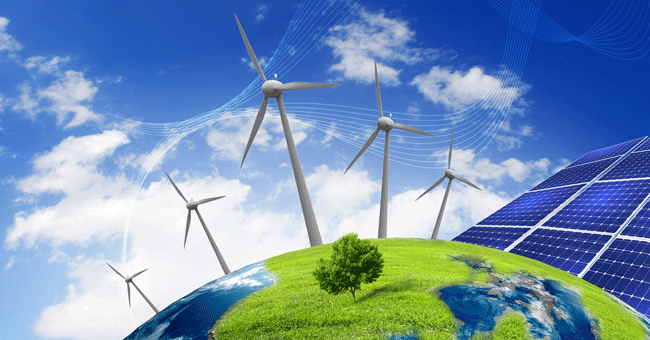
Para fazer avançar a transformação energética global e cumprir com os Objectivos de Desenvolvimento Sustentável das Nações Unidas é preciso “mais do que duplicar” a quota das renováveis na produção energética em todo o mundo. É a Agência Internacional para a Energia Renovável (IRENA) que o diz. O investimento anual nas renováveis deve passar dos actuais 298 mil milhões de euros para os 676 mil milhões de euros.
Fazer subir o peso das renováveis na produção global de energia de 26 % para 57 % até 2030 – esta é a ambiciosa meta que a IRENA traça para que se entre no caminho da “segurança climática”, da transformação energética global e se cumpram os Objectivos de Desenvolvimento Sustentável traçados pela Organização das Nações Unidas (ONU).
As conclusões da agência intergovernamental que junta 180 países, incluindo os Estados-membros da União Europeia (UE), foram tornadas públicas num livreto publicado por ocasião do décimo aniversário da assembleia da organização. Com o título “10 Anos: Progresso para a Acção”, o documento apresenta os recentes avanços globais em matéria de energias renováveis e sublinha as medidas necessárias ao aumento da produção desta energia. Em paralelo, a agência internacional dá destaque à previsão de investimento de nove biliões de euros em energias não renováveis até 2030, que terá como consequência uma maior probabilidade de se concretizar um aumento da temperatura global superior a 1,5 ºC, considera a organização. É este investimento na produção de energia a partir de combustíveis fósseis que a organização internacional pretende “redireccionar”, de modo a atingir “os objectivos de transição energética” até ao final da presente década. Segundo a agência, o desvio dos investimentos previstos em combustíveis fósseis pode representar grande parte do aumento do investimento em renováveis que é necessário alcançar.
Assim, o investimento anual nas renováveis deve passar dos actuais 298 mil milhões de euros para os 676 mil milhões de euros. Este aumento no investimento deve resultar em “poupanças significativas”, incluindo-se a minimização de perdas causadas pelas alterações climáticas e pela própria inacção climática. A agência estima que as poupanças potenciais se situem entre 1,4 mil milhões de euros e 3,3 mil milhões de euros anuais – “três a sete vezes superiores aos custos em investimentos para a transformação energética”.
O livrete sublinha ainda o facto de os custos com a produção de energias renováveis estarem a baixar, o que “fortalece” o seu apelo. Os custos associados ao solar fotovoltaico caíram “quase 90 %” nos últimos dez anos, enquanto os preços de turbinas eólicas onshore desceram “para metade”. No final desta década, conclui a agência em comunicado, estas duas tecnologias podem assegurar “mais de um terço” das necessidades globais de energia.
[/et_pb_text][/et_pb_column][/et_pb_row][/et_pb_section]