
[et_pb_section bb_built=”1″ admin_label=”Secção” _builder_version=”3.19.18″ inner_width=”auto” inner_max_width=”none”][et_pb_row admin_label=”Caixa de Conteúdo” _builder_version=”3.19.18″ width=”90%” max_width=”1080px”][et_pb_column type=”4_4″][et_pb_text admin_label=”Texto” _builder_version=”3.23.3″ z_index_tablet=”500″ text_text_shadow_horizontal_length=”text_text_shadow_style,%91object Object%93″ text_text_shadow_horizontal_length_tablet=”0px” text_text_shadow_vertical_length=”text_text_shadow_style,%91object Object%93″ text_text_shadow_vertical_length_tablet=”0px” text_text_shadow_blur_strength=”text_text_shadow_style,%91object Object%93″ text_text_shadow_blur_strength_tablet=”1px” link_text_shadow_horizontal_length=”link_text_shadow_style,%91object Object%93″ link_text_shadow_horizontal_length_tablet=”0px” link_text_shadow_vertical_length=”link_text_shadow_style,%91object Object%93″ link_text_shadow_vertical_length_tablet=”0px” link_text_shadow_blur_strength=”link_text_shadow_style,%91object Object%93″ link_text_shadow_blur_strength_tablet=”1px” ul_text_shadow_horizontal_length=”ul_text_shadow_style,%91object Object%93″ ul_text_shadow_horizontal_length_tablet=”0px” ul_text_shadow_vertical_length=”ul_text_shadow_style,%91object Object%93″ ul_text_shadow_vertical_length_tablet=”0px” ul_text_shadow_blur_strength=”ul_text_shadow_style,%91object Object%93″ ul_text_shadow_blur_strength_tablet=”1px” ol_text_shadow_horizontal_length=”ol_text_shadow_style,%91object Object%93″ ol_text_shadow_horizontal_length_tablet=”0px” ol_text_shadow_vertical_length=”ol_text_shadow_style,%91object Object%93″ ol_text_shadow_vertical_length_tablet=”0px” ol_text_shadow_blur_strength=”ol_text_shadow_style,%91object Object%93″ ol_text_shadow_blur_strength_tablet=”1px” quote_text_shadow_horizontal_length=”quote_text_shadow_style,%91object Object%93″ quote_text_shadow_horizontal_length_tablet=”0px” quote_text_shadow_vertical_length=”quote_text_shadow_style,%91object Object%93″ quote_text_shadow_vertical_length_tablet=”0px” quote_text_shadow_blur_strength=”quote_text_shadow_style,%91object Object%93″ quote_text_shadow_blur_strength_tablet=”1px” header_text_shadow_horizontal_length=”header_text_shadow_style,%91object Object%93″ header_text_shadow_horizontal_length_tablet=”0px” header_text_shadow_vertical_length=”header_text_shadow_style,%91object Object%93″ header_text_shadow_vertical_length_tablet=”0px” header_text_shadow_blur_strength=”header_text_shadow_style,%91object Object%93″ header_text_shadow_blur_strength_tablet=”1px” header_2_text_shadow_horizontal_length=”header_2_text_shadow_style,%91object Object%93″ header_2_text_shadow_horizontal_length_tablet=”0px” header_2_text_shadow_vertical_length=”header_2_text_shadow_style,%91object Object%93″ header_2_text_shadow_vertical_length_tablet=”0px” header_2_text_shadow_blur_strength=”header_2_text_shadow_style,%91object Object%93″ header_2_text_shadow_blur_strength_tablet=”1px” header_3_text_shadow_horizontal_length=”header_3_text_shadow_style,%91object Object%93″ header_3_text_shadow_horizontal_length_tablet=”0px” header_3_text_shadow_vertical_length=”header_3_text_shadow_style,%91object Object%93″ header_3_text_shadow_vertical_length_tablet=”0px” header_3_text_shadow_blur_strength=”header_3_text_shadow_style,%91object Object%93″ header_3_text_shadow_blur_strength_tablet=”1px” header_4_text_shadow_horizontal_length=”header_4_text_shadow_style,%91object Object%93″ header_4_text_shadow_horizontal_length_tablet=”0px” header_4_text_shadow_vertical_length=”header_4_text_shadow_style,%91object Object%93″ header_4_text_shadow_vertical_length_tablet=”0px” header_4_text_shadow_blur_strength=”header_4_text_shadow_style,%91object Object%93″ header_4_text_shadow_blur_strength_tablet=”1px” header_5_text_shadow_horizontal_length=”header_5_text_shadow_style,%91object Object%93″ header_5_text_shadow_horizontal_length_tablet=”0px” header_5_text_shadow_vertical_length=”header_5_text_shadow_style,%91object Object%93″ header_5_text_shadow_vertical_length_tablet=”0px” header_5_text_shadow_blur_strength=”header_5_text_shadow_style,%91object Object%93″ header_5_text_shadow_blur_strength_tablet=”1px” header_6_text_shadow_horizontal_length=”header_6_text_shadow_style,%91object Object%93″ header_6_text_shadow_horizontal_length_tablet=”0px” header_6_text_shadow_vertical_length=”header_6_text_shadow_style,%91object Object%93″ header_6_text_shadow_vertical_length_tablet=”0px” header_6_text_shadow_blur_strength=”header_6_text_shadow_style,%91object Object%93″ header_6_text_shadow_blur_strength_tablet=”1px” box_shadow_horizontal_tablet=”0px” box_shadow_vertical_tablet=”0px” box_shadow_blur_tablet=”40px” box_shadow_spread_tablet=”0px” custom_margin=”||25px|”]
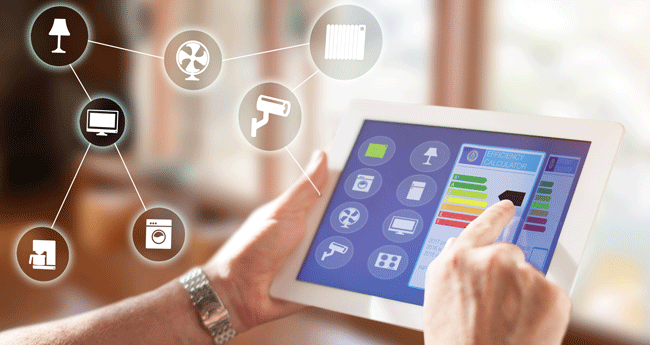
O Instituto de Engenharia de Sistemas e Computadores, Tecnologia e Ciência (INESC TEC) vai coordenar um projecto europeu para o desenvolvimento de soluções para a digitalização do uso de energia nos edifícios e a “interoperabilidade entre equipamentos e sistemas”, numa lógica associada à Internet das Coisas (IoT). O InterConnect acaba de arrancar e será o “maior projecto europeu alguma vez liderado por uma instituição portuguesa”. São 51 entidades europeias e 36 milhões de euros de financiamento, ao abrigo do programa Horizonte 2020.
Com o objectivo de “digitalizar” o sistema eléctrico europeu, desenvolvendo e testando soluções que promovam a ligação entre edifícios e sistemas eléctricos, o INESC TEC vai coordenar o projecto europeu InterConnect. A instituição privada sem fins lucrativos portuguesa, ligada às actividades de investigação e desenvolvimento tecnológico, é a responsável pela coordenação do projecto à escala europeia. Com financiamento comunitário no valor de 36 milhões de euros, no âmbito do programa Horizonte 2020, o projecto reúne 51 entidades e vai promover a instalação, a partir de 2021, de sete “demonstradores de larga escala”, a implementar em Portugal, Bélgica, Alemanha, Holanda, Itália, Grécia e França – é possível ler-se em comunicado do INESC TEC.
Baseadas “em arquitecturas para a Internet das Coisas”, as soluções que venham a sair do projecto InterConnect devem assegurar a “interoperabilidade” entre equipamentos e sistemas, assegurando, em simultâneo, “a privacidade e a cibersegurança dos dados dos utilizadores”. Segundo o INESC TEC, instituição com sede no Porto que junta academia, empresas e administração pública, os beneficiários das soluções encontradas deverão ser “reguladores, decisores políticos”, mas também start-ups e integradores de sistemas.
Com uma duração prevista de quatro anos, o projecto está dividido em oito áreas de actuação: edifícios e redes eléctricas, big data, cibersegurança, estandardização, ontologia, plataformas digitais, Internet das Coisas e cloud. As soluções desenvolvidas no âmbito do InterConnect vão estar disponíveis nos demonstradores e, findo o projecto, em 2023, deverão entrar no mercado.
Para além do INESC TEC, a participação portuguesa no projecto conta com a EDP Distribuição, a SONAE, Schneider Electric Portugal e a empresa de sistemas de controlo e gestão de edifícios Domótica SA.
Paralelamente ao trabalho dos 51 parceiros do consórcio, o projecto abre-se a “outros players”, através do lançamento de três chamadas, destinadas a 42 “projectos inovadores” – repartidos em 14 protótipos e 28 demonstradores de “pequena escala”.
O InterConnect conta, ainda, com a coordenação técnica da instituição holandesa de investigação e desenvolvimento TNO, e é composto por seis tipos de parceiros: investigação e desenvolvimento e consultoria, fabricantes e associações, fornecedores de serviços de Internet das Coisas, operadores de rede eléctrica (DSOs), retalhistas e utilizadores finais.
[/et_pb_text][/et_pb_column][/et_pb_row][/et_pb_section]