
[et_pb_section bb_built=”1″ admin_label=”Secção” _builder_version=”3.19.18″ inner_width=”auto” inner_max_width=”none”][et_pb_row admin_label=”Caixa de Conteúdo” _builder_version=”3.19.18″ width=”90%” max_width=”1080px”][et_pb_column type=”4_4″][et_pb_text admin_label=”Texto” _builder_version=”3.23.3″ z_index_tablet=”500″ text_text_shadow_horizontal_length=”text_text_shadow_style,%91object Object%93″ text_text_shadow_horizontal_length_tablet=”0px” text_text_shadow_vertical_length=”text_text_shadow_style,%91object Object%93″ text_text_shadow_vertical_length_tablet=”0px” text_text_shadow_blur_strength=”text_text_shadow_style,%91object Object%93″ text_text_shadow_blur_strength_tablet=”1px” link_text_shadow_horizontal_length=”link_text_shadow_style,%91object Object%93″ link_text_shadow_horizontal_length_tablet=”0px” link_text_shadow_vertical_length=”link_text_shadow_style,%91object Object%93″ link_text_shadow_vertical_length_tablet=”0px” link_text_shadow_blur_strength=”link_text_shadow_style,%91object Object%93″ link_text_shadow_blur_strength_tablet=”1px” ul_text_shadow_horizontal_length=”ul_text_shadow_style,%91object Object%93″ ul_text_shadow_horizontal_length_tablet=”0px” ul_text_shadow_vertical_length=”ul_text_shadow_style,%91object Object%93″ ul_text_shadow_vertical_length_tablet=”0px” ul_text_shadow_blur_strength=”ul_text_shadow_style,%91object Object%93″ ul_text_shadow_blur_strength_tablet=”1px” ol_text_shadow_horizontal_length=”ol_text_shadow_style,%91object Object%93″ ol_text_shadow_horizontal_length_tablet=”0px” ol_text_shadow_vertical_length=”ol_text_shadow_style,%91object Object%93″ ol_text_shadow_vertical_length_tablet=”0px” ol_text_shadow_blur_strength=”ol_text_shadow_style,%91object Object%93″ ol_text_shadow_blur_strength_tablet=”1px” quote_text_shadow_horizontal_length=”quote_text_shadow_style,%91object Object%93″ quote_text_shadow_horizontal_length_tablet=”0px” quote_text_shadow_vertical_length=”quote_text_shadow_style,%91object Object%93″ quote_text_shadow_vertical_length_tablet=”0px” quote_text_shadow_blur_strength=”quote_text_shadow_style,%91object Object%93″ quote_text_shadow_blur_strength_tablet=”1px” header_text_shadow_horizontal_length=”header_text_shadow_style,%91object Object%93″ header_text_shadow_horizontal_length_tablet=”0px” header_text_shadow_vertical_length=”header_text_shadow_style,%91object Object%93″ header_text_shadow_vertical_length_tablet=”0px” header_text_shadow_blur_strength=”header_text_shadow_style,%91object Object%93″ header_text_shadow_blur_strength_tablet=”1px” header_2_text_shadow_horizontal_length=”header_2_text_shadow_style,%91object Object%93″ header_2_text_shadow_horizontal_length_tablet=”0px” header_2_text_shadow_vertical_length=”header_2_text_shadow_style,%91object Object%93″ header_2_text_shadow_vertical_length_tablet=”0px” header_2_text_shadow_blur_strength=”header_2_text_shadow_style,%91object Object%93″ header_2_text_shadow_blur_strength_tablet=”1px” header_3_text_shadow_horizontal_length=”header_3_text_shadow_style,%91object Object%93″ header_3_text_shadow_horizontal_length_tablet=”0px” header_3_text_shadow_vertical_length=”header_3_text_shadow_style,%91object Object%93″ header_3_text_shadow_vertical_length_tablet=”0px” header_3_text_shadow_blur_strength=”header_3_text_shadow_style,%91object Object%93″ header_3_text_shadow_blur_strength_tablet=”1px” header_4_text_shadow_horizontal_length=”header_4_text_shadow_style,%91object Object%93″ header_4_text_shadow_horizontal_length_tablet=”0px” header_4_text_shadow_vertical_length=”header_4_text_shadow_style,%91object Object%93″ header_4_text_shadow_vertical_length_tablet=”0px” header_4_text_shadow_blur_strength=”header_4_text_shadow_style,%91object Object%93″ header_4_text_shadow_blur_strength_tablet=”1px” header_5_text_shadow_horizontal_length=”header_5_text_shadow_style,%91object Object%93″ header_5_text_shadow_horizontal_length_tablet=”0px” header_5_text_shadow_vertical_length=”header_5_text_shadow_style,%91object Object%93″ header_5_text_shadow_vertical_length_tablet=”0px” header_5_text_shadow_blur_strength=”header_5_text_shadow_style,%91object Object%93″ header_5_text_shadow_blur_strength_tablet=”1px” header_6_text_shadow_horizontal_length=”header_6_text_shadow_style,%91object Object%93″ header_6_text_shadow_horizontal_length_tablet=”0px” header_6_text_shadow_vertical_length=”header_6_text_shadow_style,%91object Object%93″ header_6_text_shadow_vertical_length_tablet=”0px” header_6_text_shadow_blur_strength=”header_6_text_shadow_style,%91object Object%93″ header_6_text_shadow_blur_strength_tablet=”1px” box_shadow_horizontal_tablet=”0px” box_shadow_vertical_tablet=”0px” box_shadow_blur_tablet=”40px” box_shadow_spread_tablet=”0px” custom_margin=”||25px|”]
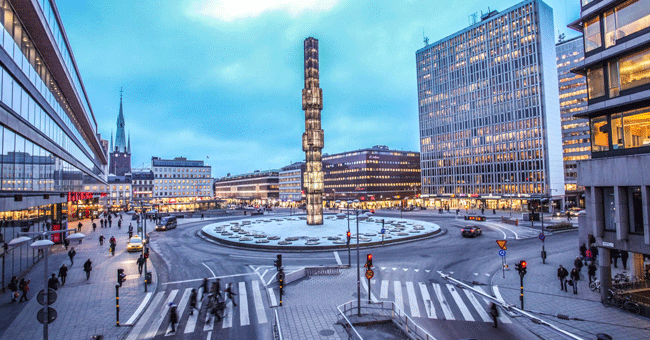
Até 2050, as cidades de Copenhaga, Oslo e Estocolmo pretendem reduzir em quase 50% as emissões de gases com efeito de estufa na construção, na sequência de um estudo que aponta os benefícios evidentes desta mudança.
Segundo o documento, publicado pela C40, o Grupo de Grandes Cidades para a Liderança Climática, e que engloba 94 das maiores cidades mundiais, pela Universidade de Leeds e pela empresa Arup, determinadas mudanças na indústria da construção podem cortar as emissões geradas pelos edifícios e pela construção em 44%, até 2050.
O estudo aponta seis áreas chave nas quais podem ser desenvolvidas intervenções e onde podem ser implementados planos para uma redução significativa do impacto climático da construção nas grandes cidades. Entre elas estão a implementação da eficiência no design do material, potenciar o melhoramento da utilização dos edifícios, mudar de materiais que produzem muitas emissões para materiais sustentáveis, utilizar cimento de baixo carbono, reutilizar os materiais de construção e os seus componentes e utilizar maquinaria com baixas, ou até nulas, emissões de gases com efeito de estufa.
O trabalho agora apresentado coloca em destaque vários benefícios que estas alterações podem vir a colocar, não só à economia, mas também à saúde da população destas cidades. Uma construção mais verde poderá potenciar uma redução da poluição sonora e também do ar, o que se traduzirá numa melhor saúde para os habitantes e num salto qualitativo em termos ambientais. Outro dos aspectos positivos apontados pelo estudo é a mudança na economia ligada à construção, algo que potenciará o aumento do emprego e das oportunidades relacionadas.
As três cidades escandinavas – Copenhaga, Oslo e Estocolmo – vão agora colocar em prática o plano para reduzirem de forma substancial as emissões de gases com efeito de estufa em locais de construção, de modo a apostarem verdadeiramente em soluções para mitigarem as alterações climáticas e melhorarem a saúde pública. Algumas medidas já estão em cima da mesa, como a utilização de biocombustíveis e de maquinaria com baixas emissões de gases poluentes. Por exemplo, em Oslo, toda a maquinaria comprada pelo município e as obras efectuadas pela câmara municipal terão, em 2025, zero emissões de gases com efeito de estufa.
[/et_pb_text][/et_pb_column][/et_pb_row][/et_pb_section]