
[et_pb_section bb_built=”1″ admin_label=”Secção” _builder_version=”3.19.18″ inner_width=”auto” inner_max_width=”none”][et_pb_row admin_label=”Caixa de Conteúdo” _builder_version=”3.19.18″ width=”90%” max_width=”1080px”][et_pb_column type=”4_4″][et_pb_text admin_label=”Texto” _builder_version=”3.23.3″ z_index_tablet=”500″ text_text_shadow_horizontal_length=”text_text_shadow_style,%91object Object%93″ text_text_shadow_horizontal_length_tablet=”0px” text_text_shadow_vertical_length=”text_text_shadow_style,%91object Object%93″ text_text_shadow_vertical_length_tablet=”0px” text_text_shadow_blur_strength=”text_text_shadow_style,%91object Object%93″ text_text_shadow_blur_strength_tablet=”1px” link_text_shadow_horizontal_length=”link_text_shadow_style,%91object Object%93″ link_text_shadow_horizontal_length_tablet=”0px” link_text_shadow_vertical_length=”link_text_shadow_style,%91object Object%93″ link_text_shadow_vertical_length_tablet=”0px” link_text_shadow_blur_strength=”link_text_shadow_style,%91object Object%93″ link_text_shadow_blur_strength_tablet=”1px” ul_text_shadow_horizontal_length=”ul_text_shadow_style,%91object Object%93″ ul_text_shadow_horizontal_length_tablet=”0px” ul_text_shadow_vertical_length=”ul_text_shadow_style,%91object Object%93″ ul_text_shadow_vertical_length_tablet=”0px” ul_text_shadow_blur_strength=”ul_text_shadow_style,%91object Object%93″ ul_text_shadow_blur_strength_tablet=”1px” ol_text_shadow_horizontal_length=”ol_text_shadow_style,%91object Object%93″ ol_text_shadow_horizontal_length_tablet=”0px” ol_text_shadow_vertical_length=”ol_text_shadow_style,%91object Object%93″ ol_text_shadow_vertical_length_tablet=”0px” ol_text_shadow_blur_strength=”ol_text_shadow_style,%91object Object%93″ ol_text_shadow_blur_strength_tablet=”1px” quote_text_shadow_horizontal_length=”quote_text_shadow_style,%91object Object%93″ quote_text_shadow_horizontal_length_tablet=”0px” quote_text_shadow_vertical_length=”quote_text_shadow_style,%91object Object%93″ quote_text_shadow_vertical_length_tablet=”0px” quote_text_shadow_blur_strength=”quote_text_shadow_style,%91object Object%93″ quote_text_shadow_blur_strength_tablet=”1px” header_text_shadow_horizontal_length=”header_text_shadow_style,%91object Object%93″ header_text_shadow_horizontal_length_tablet=”0px” header_text_shadow_vertical_length=”header_text_shadow_style,%91object Object%93″ header_text_shadow_vertical_length_tablet=”0px” header_text_shadow_blur_strength=”header_text_shadow_style,%91object Object%93″ header_text_shadow_blur_strength_tablet=”1px” header_2_text_shadow_horizontal_length=”header_2_text_shadow_style,%91object Object%93″ header_2_text_shadow_horizontal_length_tablet=”0px” header_2_text_shadow_vertical_length=”header_2_text_shadow_style,%91object Object%93″ header_2_text_shadow_vertical_length_tablet=”0px” header_2_text_shadow_blur_strength=”header_2_text_shadow_style,%91object Object%93″ header_2_text_shadow_blur_strength_tablet=”1px” header_3_text_shadow_horizontal_length=”header_3_text_shadow_style,%91object Object%93″ header_3_text_shadow_horizontal_length_tablet=”0px” header_3_text_shadow_vertical_length=”header_3_text_shadow_style,%91object Object%93″ header_3_text_shadow_vertical_length_tablet=”0px” header_3_text_shadow_blur_strength=”header_3_text_shadow_style,%91object Object%93″ header_3_text_shadow_blur_strength_tablet=”1px” header_4_text_shadow_horizontal_length=”header_4_text_shadow_style,%91object Object%93″ header_4_text_shadow_horizontal_length_tablet=”0px” header_4_text_shadow_vertical_length=”header_4_text_shadow_style,%91object Object%93″ header_4_text_shadow_vertical_length_tablet=”0px” header_4_text_shadow_blur_strength=”header_4_text_shadow_style,%91object Object%93″ header_4_text_shadow_blur_strength_tablet=”1px” header_5_text_shadow_horizontal_length=”header_5_text_shadow_style,%91object Object%93″ header_5_text_shadow_horizontal_length_tablet=”0px” header_5_text_shadow_vertical_length=”header_5_text_shadow_style,%91object Object%93″ header_5_text_shadow_vertical_length_tablet=”0px” header_5_text_shadow_blur_strength=”header_5_text_shadow_style,%91object Object%93″ header_5_text_shadow_blur_strength_tablet=”1px” header_6_text_shadow_horizontal_length=”header_6_text_shadow_style,%91object Object%93″ header_6_text_shadow_horizontal_length_tablet=”0px” header_6_text_shadow_vertical_length=”header_6_text_shadow_style,%91object Object%93″ header_6_text_shadow_vertical_length_tablet=”0px” header_6_text_shadow_blur_strength=”header_6_text_shadow_style,%91object Object%93″ header_6_text_shadow_blur_strength_tablet=”1px” box_shadow_horizontal_tablet=”0px” box_shadow_vertical_tablet=”0px” box_shadow_blur_tablet=”40px” box_shadow_spread_tablet=”0px”]
O WGBC (World Green Building Council) deu a conhecer em Oslo, na Noruega, o maior projecto colaborativo do mundo para a reabilitação energética de edifícios. Chama-se BUILD UPON2 e, para já, vai ter efeitos práticos em oito cidades piloto, mas a meta é servir de inspiração a todas as cidades do mundo.
Este projecto, financiado pela União Europeia, dá seguimento a uma iniciativa anterior, o BUILD UPON, e tem como objectivo ajudar a reconstrução de imóveis nas cidades europeias, garantindo, ao mesmo tempo, um compromisso sério das cidades para o estabelecimento de estratégias concretas para a descarbonização de edifícios até 2050.
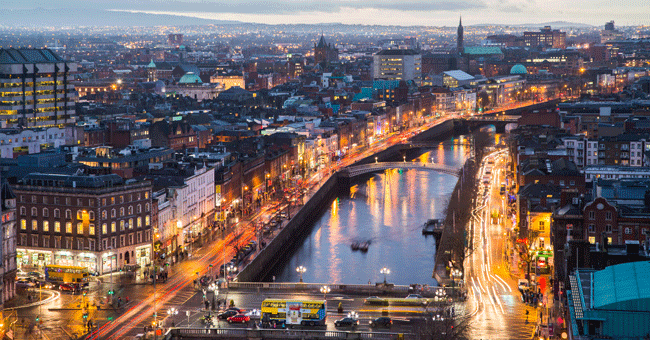
Nesta fase, serão oito as cidades piloto que irão estar envolvidas no projecto, sendo que nenhuma é portuguesa: Velika Gorica (Croácia), Budaörs (Hungria), Dublin (República da Irlanda), Pádova (Itália), Wroclaw (Polónia), Madrid (Espanha), Eskişehir (Turquia) e Leeds (Inglaterra). Estas cidades irão desenvolver e testar uma ferramenta que abrange vários indicadores mensuráveis a nível de progresso, como redução das emissões, aumento do emprego e melhoria da saúde, ligando os dados obtidos a nível local com as políticas e as decisões a nível nacional. A iniciativa afirma-se, desta forma, como uma ferramenta importante para o combate à pobreza energética, numa altura em que várias estimativas apontam para que cerca de 50 milhões de europeus sofram de pobreza energética.
A emergência climática está debaixo dos holofotes, e não é razão para menos. Os estudos apontam para que, em 30 anos, 66 % da população mundial esteja confinada a áreas urbanas, que serão as mais vulneráveis aos efeitos das alterações climáticas.
“Temos de aumentar os nossos esforços para tornar os nossos edifícios mais modernos e renovados, para providenciarmos condições de vida confortáveis e saudáveis, ao mesmo tempo que reduzimos a procura em termos energéticos”, afirmou Cristina Gamboa, CEO do World Green Building Council. “A renovação energética é indispensável para uma solução sustentável a longo prazo, para aliviar a pobreza energética e para garantir mais aquecimento para as nossas casas, escolas mais saudáveis para as nossas crianças e para reduzir a factura energética dos nossos hospitais e das nossas empresas”, conclui.
[/et_pb_text][/et_pb_column][/et_pb_row][/et_pb_section]